New - Just Now


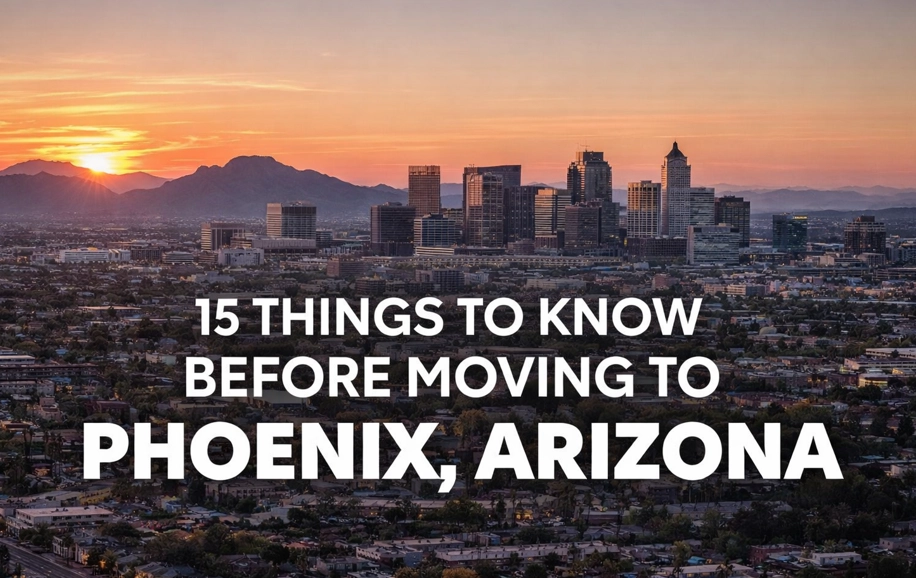
Thinking about moving to Phoenix? You’re not alone. The Valley keeps pulling in people from California, the Midwest, and the East Coast for a mix of jobs, space, sunshine, and lifestyle. But Phoenix isn’t just “hot and growing.” It’s a massive, spread-out metro with real differences between areas, costs, and day-to-day living.
Here are 15 things locals usually learn after they arrive.
When people say “Phoenix,” they usually mean the entire Valley of the Sun. That includes Scottsdale, Tempe, Mesa, Chandler, Gilbert, Glendale, Peoria, Anthem, Laveen, Buckeye, Goodyear, Surprise, and a long list of smaller cities and master-planned communities. Each one has its own vibe, taxes, school districts, and development rules.
Before you pick a place, spend time looking at how far you’ll actually drive every day. The Valley can feel manageable on a map, but a cross-town commute can easily hit 45 minutes.
You can get a feel for how the metro is laid out on the official City of Phoenix site:
https://www.phoenix.gov
Phoenix used to lean heavily on real tourism and construction. That’s changed. Now it’s a mix of tech, healthcare, manufacturing, trucking--yes, trucking, and logistics.
Major employers like Intel, Banner Health, Honeywell, and Taiwan Semiconductor Manufacturing Company have reshaped where people live and how fast certain areas grow. If you’re job hunting, the Greater Phoenix Economic Council keeps a solid list of major employers and development projects.
Where you work often matters more than what part of the Valley you like. And since Covid, since so many employees or "jobs" allow you to work from home, being a certain distance to an employer is not like it used to be.
You’ll hear about water within your first week in town. Arizona has some of the most structured water management laws in the country, and new developments often have to prove long-term water availability before they can build.
If you’re curious about how supply is managed and why some areas grow faster than others, the Arizona Department of Water Resources breaks it down clearly.
This mostly affects future growth patterns, not your daily tap water, but it shapes the Valley long-term. When you purchase a home, check to make sure (or have your agent) where the water is coming from; i.e. City, Private, well, shared well, hauled, etc.
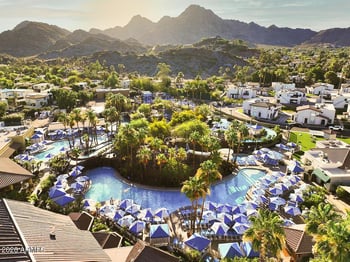
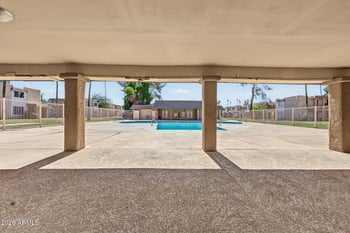
Some areas focus on dense master-planned developments with parks, trails, and community centers. Others grow through smaller subdivisions or infill projects with no shared amenities.
If having neighborhood pools, walking paths, or event spaces matters to you, look closely at how the community was designed. Phoenix has a mix of lifestyle-driven planning and very traditional “house on a street” neighborhoods, often just a few miles apart. Some of these like Anthem, one of the first master planned communities is "closer" to town while others like Johnson Ranch in Queen Creek are a tad further away.
Arizona’s income tax is generally lower than many coastal states. Property taxes are also relatively mild compared to places like Texas or Illinois.
Sales tax can catch people off guard, especially in certain cities where local rates stack on top of the state rate. The Arizona Department of Revenue keeps an updated breakdown.
Budgeting here usually means balancing lower housing taxes with higher everyday costs on purchases and services.
Summer doesn’t shut Phoenix down. It changes how people plan their day. Early mornings and late evenings become the social hours. Midday is for indoors, shade, or water.
Homes, apartments, and even office buildings are designed around cooling, shade, and airflow. If you like hiking, biking, or golf, you’ll find a whole second lifestyle season from October through April when the Valley comes alive.
For official climate data, the National Weather Service’s Phoenix office is a good reference.
Loop 101, Loop 202, I-10, and SR-51 basically decide how easy your life is. Living near a freeway can cut 20 minutes off a commute. Living far from one can add it.
Public transit exists, especially around downtown Phoenix and Tempe, but most people rely on cars. If you’re transit-oriented, Valley Metro shows where light rail and bus routes actually reach. Pro Tip-the 101 loop is one of the most amazing designs; allowing you to be in opposite ends of town within a relatively short time period. You won't really understand it until you experience it.
The Phoenix Sonoran Preserve, South Mountain Park, and Camelback Mountain are inside the metro, not outside it. That’s rare for a city this big.
Access to trails, preserves, and open desert varies a lot by neighborhood. Some areas back up to protected land. Others are fully built out with very little natural space nearby.
The city’s Parks and Recreation Department keeps maps and trail info updated. You might have seen pictures of any of our hiking trails, but until you are on them, it is truly difficult to describe the beauty our desert has, offers and can be seen.
School quality in the Valley can change dramatically from one area to the next. It’s not just district by district. It can be neighborhood by neighborhood.
Many families also use Arizona’s open enrollment and charter school systems, which means kids don’t always attend the closest school to home.
If schools are a priority, the Arizona Department of Education provides official data and performance reports.
Pro Tip--can't find a home in the school district you love? We have open enrollment :-)
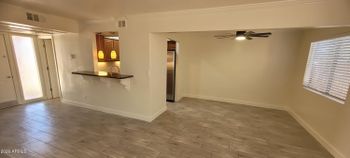
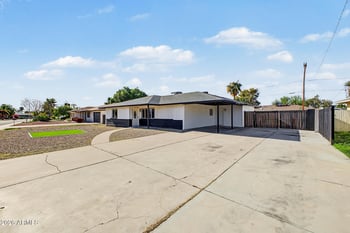
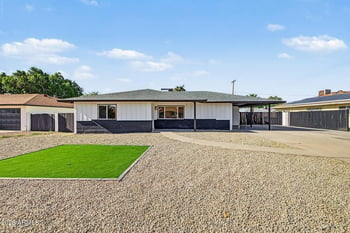
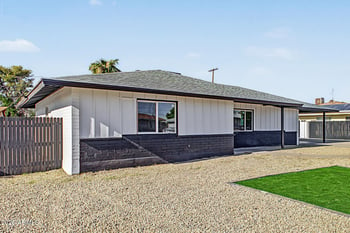
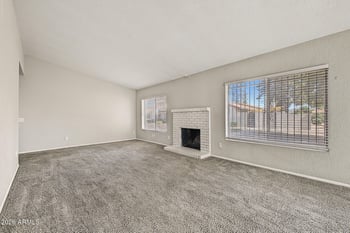
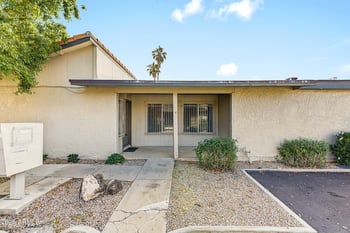
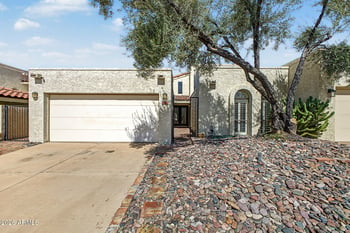
You’ll see everything from 1950s block homes and 1970s ranches to brand-new desert modern builds. Different parts of the Valley grew during different booms.
That affects lot sizes, street layouts, HOA rules, and even ceiling heights. Two homes at the same price point can feel completely different depending on when and where they were built.
Downtown Phoenix, Scottsdale, and Mesa all have their own food identities. You’ll find strong Mexican, Asian, and Southwest influences, plus a growing farm-to-table and craft brewery scene.
This isn’t a “one downtown” city. Most people have a favorite cluster of restaurants near where they live, and they rarely cross the Valley just for dinner.
Pro Tip: Experience downtown Gilbert, Chandler, Tempe, Scottsdale...and Phoenix. They are all so different and representative of their rich history.
Every winter, Phoenix gets a population boost from part-time residents and visitors. Traffic increases. Restaurants get busier. Events fill up faster.
By late spring, the city feels quieter again. It’s a rhythm you start to notice after your first year.
Pro Tip: Don't want to get stuck in traffic? Avoid the busiest roads in the Spring to avoid the snowbirds.
New roads, shopping centers, and housing projects tend to follow long-term planning maps. Some areas grow fast for five years, then slow. Others sit quiet and suddenly take off.
If you care about what’s being built near you, the Maricopa Association of Governments tracks regional planning and transportation projects.
Electricity bills in summer are real. Energy-efficient homes, newer HVAC systems, and good insulation make a noticeable difference.
Many residents use time-of-use plans where power is cheaper late at night and more expensive during peak afternoon hours. That changes when you run appliances, charge cars, or cool your house.
Pro Tip--just because a home has 2 levels does not mean cooling it will cost more than a 1 level home. Energy efficient windows, insullation, fans, etc--all can make a huge difference on any level home.
It’s common for newcomers to move once, learn the Valley, and then move again within a few years. The first home gets you here. The second one usually matches how you actually live.
Phoenix rewards people who take time to explore different areas before settling long-term.
Search all available Phoenix homes for sale here.
And when you are ready to buy a home, and choose your Realtor, make sure to avoid these common mistakes.
Is Phoenix a good place to live year-round or better for part-time residents?
Phoenix works well for both. Full-time residents tend to build their routines around early mornings and evenings in the warmer months, while part-time residents usually arrive for the fall through spring season when outdoor events, hiking, and festivals pick up across the Valley.
How far is “too far” for a daily commute in Phoenix?
Most locals try to keep their commute under 30 minutes, which usually means living near a freeway loop or close to where they work. On a map, everything looks close. In practice, crossing the Valley during peak hours can double your drive time.
Do I really need a car in Phoenix?
For most areas, yes. Light rail and buses work well in central Phoenix, Tempe, and parts of Mesa, but much of the Valley is built around driving. A car gives you access to more neighborhoods, trail systems, and everyday services.
Are there areas of Phoenix that feel more “urban” than suburban?
Yes. Downtown Phoenix, Roosevelt Row, parts of Tempe, and Old Town Scottsdale have a more walkable, urban feel with apartments, coffee shops, and nightlife clustered together. Many other areas are traditional suburban neighborhoods with shopping centers rather than main streets.
How competitive is the housing market in 2026?
It depends on the area and price range. Some neighborhoods still see multiple offers on well-located or renovated homes, while others move at a slower pace. New construction has added options in the outer parts of the Valley, which has eased pressure in certain segments.
What surprises most people after they move to Phoenix?
How different each part of the Valley feels. Two areas that are 10 miles apart can have completely different traffic patterns, housing styles, and day-to-day pace. Most people don’t realize how “local” Phoenix becomes once you settle into a specific pocket.